

Machu Picchu Entrance Tickets and Circuits
Peru is widely considered the trekking capital of South America, offering everything from ancient stone paths and Inca ruins to jagged glaciers and deep desert canyons.
Here are descriptions for the 10 best trekking routes in Peru, categorized by region and difficulty.
1. The Classic Inca Trail (Cusco)
- Duration: 4 Days / 3 Nights
- Difficulty: Moderate
- Highlight: Entering Machu Picchu through the Sun Gate (Inti Punku) at sunrise.
- Description: The most iconic trek in the world, this 43km (26-mile) journey follows the original stone path laid by the Incas. You will traverse three high-altitude passes including the infamous "Dead Woman’s Pass"-while exploring incredible ruins like Wiñay Wayna that are only accessible by foot. It is a perfect blend of history, cloud forest scenery, and cultural immersion.
- Note: Permits must be booked 4–6 months in advance.
2. The Salkantay Trek (Cusco)
- Duration: 5 Days / 4 Nights
- Difficulty: Challenging
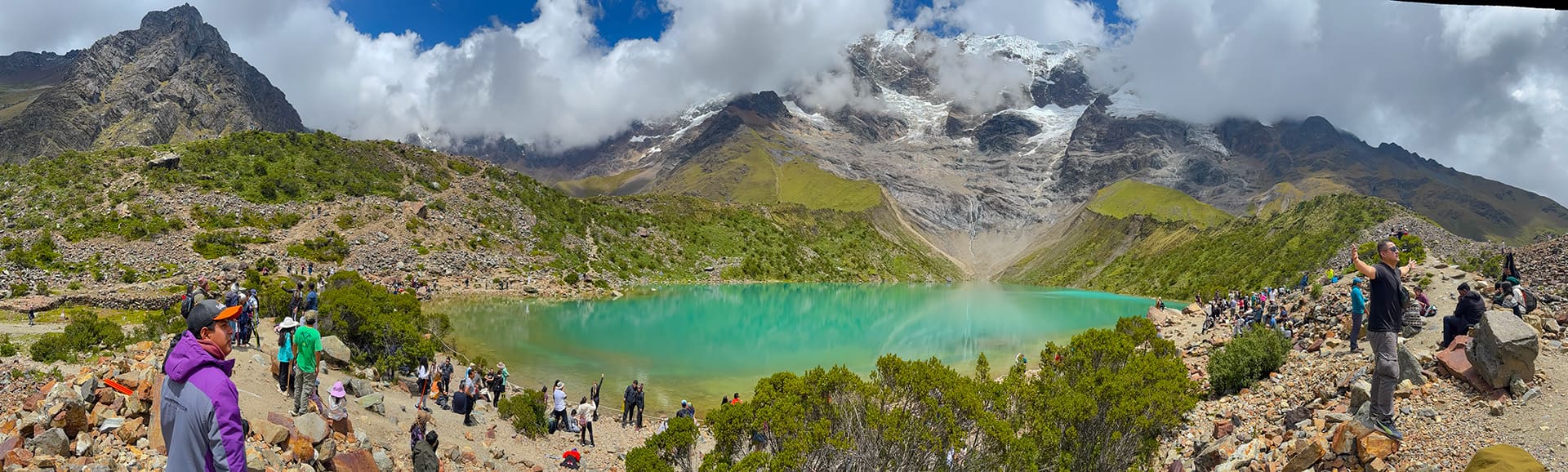
- Highlight: The majestic view of Mt. Salkantay and the turquoise Humantay Lake.
- Description: Named by National Geographic as one of the best treks in the world, Salkantay is the premier alternative to the Inca Trail. It offers a more "wild" experience, taking you from the freezing high-alpine tundra near the 4,630m (15,190ft) Salkantay Pass down into lush, tropical coffee plantations. It culminates in a visit to Machu Picchu via the town of Aguas Calientes.
3. Huayhuash Circuit (Ancash/Huaraz)
- Duration: 8 to 12 Days
- Difficulty: Extremely Demanding
- Highlight: Proximity to Siula Grande (of Touching the Void fame) and Yerupajá.
- Description: Often cited as one of the most beautiful alpine treks on Earth, this circuit loops around the Cordillera Huayhuash. You will cross multiple passes above 4,700m, witnessing jagged, vertical peaks and electric-blue glacial lakes every single day. This is a remote, high-altitude expedition meant for experienced hikers seeking solitude and raw mountain power.
4. Santa Cruz Trek (Ancash/Huaraz)
- Duration: 4 Days / 3 Nights
- Difficulty: Moderate to Challenging
- Highlight: The view from Punta Union (4,750m) over the Taulliraju massif.
- Description: The "classic" trek of the Cordillera Blanca. The Santa Cruz trek is famous for its stunning variety of landscapes in a short timeframe: white-capped peaks, sandy-bottomed valleys, and crystal lagoons. It is the best introduction to high-altitude trekking in Northern Peru and provides a close-up look at Artesonraju (the mountain famously used in the Paramount Pictures logo).
5. Choquequirao Trek (Cusco/Apurimac)
- Duration: 4 to 5 Days
- Difficulty: Challenging (steep elevation changes)
- Highlight: Exploring the "Sister City" of Machu Picchu without the crowds.
- Description: Choquequirao is an expansive Inca citadel that is three times larger than Machu Picchu but only accessible by a grueling hike across the Apurimac Canyon. Because there is no train or bus, you’ll often have these massive stone terraces and "Llama Altars" entirely to yourself. The trek involves a steep 1,500m descent and a corresponding 1,500m ascent.
6. Ausangate Circuit (Cusco)
- Duration: 5 to 6 Days
- Difficulty: Challenging (High altitude)
- Highlight: The "Rainbow Mountains" (Vinicunca) and soaring glaciers.
- Description: This high-altitude trek circles the sacred Apu Ausangate, the highest peak in Southern Peru. You will walk through a landscape of neon-colored mineral hills, red valleys, and thousands of alpacas. It is a culturally rich trek where you stay in remote Quechua-speaking communities and can soak in natural hot springs under a canopy of Andean stars.
7. Colca Canyon Trek (Arequipa)
- Duration: 2 to 3 Days
- Difficulty: Moderate
- Highlight: Spotting Andean Condors and resting in the Sangalle Oasis.
- Description: Descending into one of the world's deepest canyons, this trek offers a change of pace from the glacial peaks of the north. You’ll hike down into a desert landscape, passing through traditional villages where ancient pre-Inca terraces are still in use. The journey usually ends with a pre-dawn climb back up the canyon walls to catch the sunrise.
8. Lares Trek (Cusco)
- Duration: 3 to 4 Days
- Difficulty: Moderate
- Highlight: Interaction with local Andean weavers and authentic village life.
- Description: Often called the "Weaver's Way," the Lares trek is less about ruins and more about people. It passes through remote valleys where locals still dress in traditional red ponchos and maintain ancient textile traditions. It’s a peaceful, scenic route that avoids the crowds of the Inca Trail while still finishing with a train ride to Machu Picchu.
9. Gran Vilaya Trek (Chachapoyas)
- Duration: 4 Days / 3 Nights
- Difficulty: Moderate
- Highlight: The mountaintop fortress of Kuelap and the Gocta Waterfall.
- Description: Located in the northern cloud forests, this trek takes you through the territory of the "Cloud Warriors" (the Chachapoyas people). You’ll walk through dense jungle-like vegetation to discover hidden ruins and sarcophagi perched on cliffs. It is far more humid and green than the Cusco treks, offering a mystical, Indiana Jones-style adventure.
10. Alpamayo Base Camp Trek (Ancash/Huaraz)
- Duration: 7 to 11 Days
- Difficulty: Challenging
- Highlight: Viewing Alpamayo, voted the "Most Beautiful Mountain in the World."
- Description: A longer and more rugged version of the Santa Cruz trek, this route goes deeper into the Cordillera Blanca. It focuses on getting you as close as possible to the perfect pyramid peak of Alpamayo. The trail is demanding and remote, crossing high passes and pristine valleys that few tourists ever see.
Quick Tips for Trekking in Peru:
- Acclimatization: Spend at least 2–3 days in Cusco or Huaraz before starting any trek to avoid altitude sickness.
- Best Time to Go: The dry season is from May to September. This is when you'll get the clearest views and safest trail conditions.
- Booking: While many treks can be booked upon arrival, the Inca Trail requires a permit and must be booked months in advance.